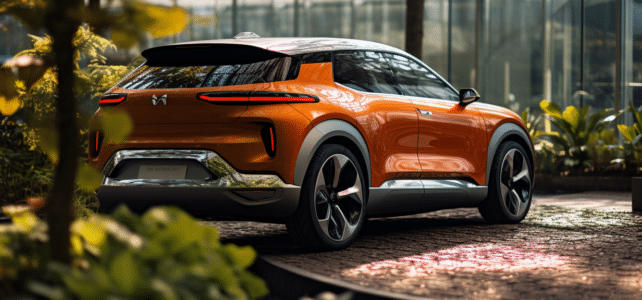
In the urban maze, street congestion and the search for ecological solutions are propelling alternative vehicles to the forefront. City dwellers, aspiring for more agile and less polluting mobility, are turning to innovative options. Small vehicle models, specifically designed for the urban environment, provide an appropriate response to these new demands. Whether it’s electric mini-cars, electric scooters, or electric-assist bicycles, these means of transport promote smoother traffic while reducing the carbon footprint. Explore this universe where compactness rhymes with responsibility.
Small vehicle models adapted to the city: a solution for urban future
In the face of major challenges in urban mobility, notably road congestion and air pollution, electric vehicles without a license stand out as promising alternatives. These compact cars, limited to a maximum speed of 45 km/h, are designed to navigate urban asphalt with agility. The 4-seater car without a license positions itself as a viable option for families and groups of individuals wishing to travel together while participating in an ecological transition.
The AVELI association, representing these intermediate lightweight vehicles, highlights their fundamental role in reducing pollutant gas emissions. These vehicles indeed provide a concrete response to the quest for ecology and sustainability in dense areas. Their use is even more relevant as it is accompanied by a parallel development of charging infrastructure for electric vehicles, thus facilitating their integration into urban daily life.
Electric vehicles without a license, powered by electric batteries, converge towards a vision of the city of tomorrow where traffic is smoother and less harmful to the environment. The expansion of the charging station network allows for easier use of these vehicles, making them more attractive to users. These transport innovations significantly contribute to shaping an urban future where mobility aligns with environmental responsibility.
Comparison and analysis of alternatives to traditional vehicles for urban travel
In the maze of city streets, alternatives to traditional vehicles are multiplying. Public transport, pillars of urban mobility, continue to play a central role in reducing dependence on individual cars. Subways, trams, and buses are part of a shared transport logic aimed at unclogging roadways and decreasing the ecological footprint. Their capacity to transport a large number of users simultaneously makes them an effective solution for mass travel, especially during peak hours.
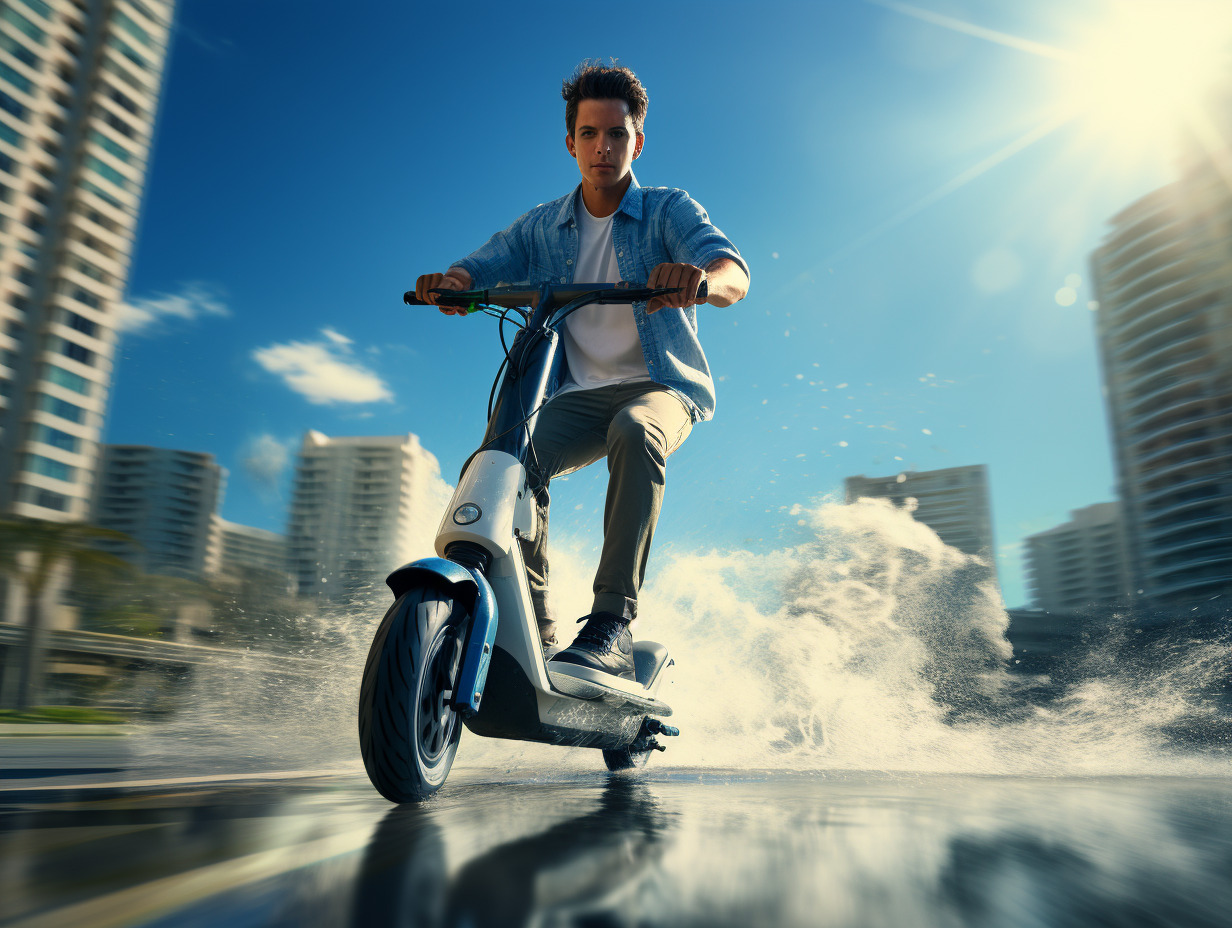
Personal electric vehicles, such as bicycles and electric scooters, are gaining popularity due to their flexibility and speed. They offer city dwellers great freedom of movement and help avoid traffic jams while contributing to the reduction of greenhouse gas emissions. The rise of these modes of transport is inseparable from the development of the electric network, particularly the charging stations strategically distributed throughout urban spaces to facilitate their daily use.
Carpooling and car-sharing are asserting themselves as preferred alternatives for more collaborative mobility. These practices, which fit into a responsible consumption approach, aim to reduce the number of vehicles on the road and, consequently, the environmental impact of urban traffic. They illustrate a trend towards resource pooling and optimizing vehicle use, aligning with sustainability and resource economy goals.