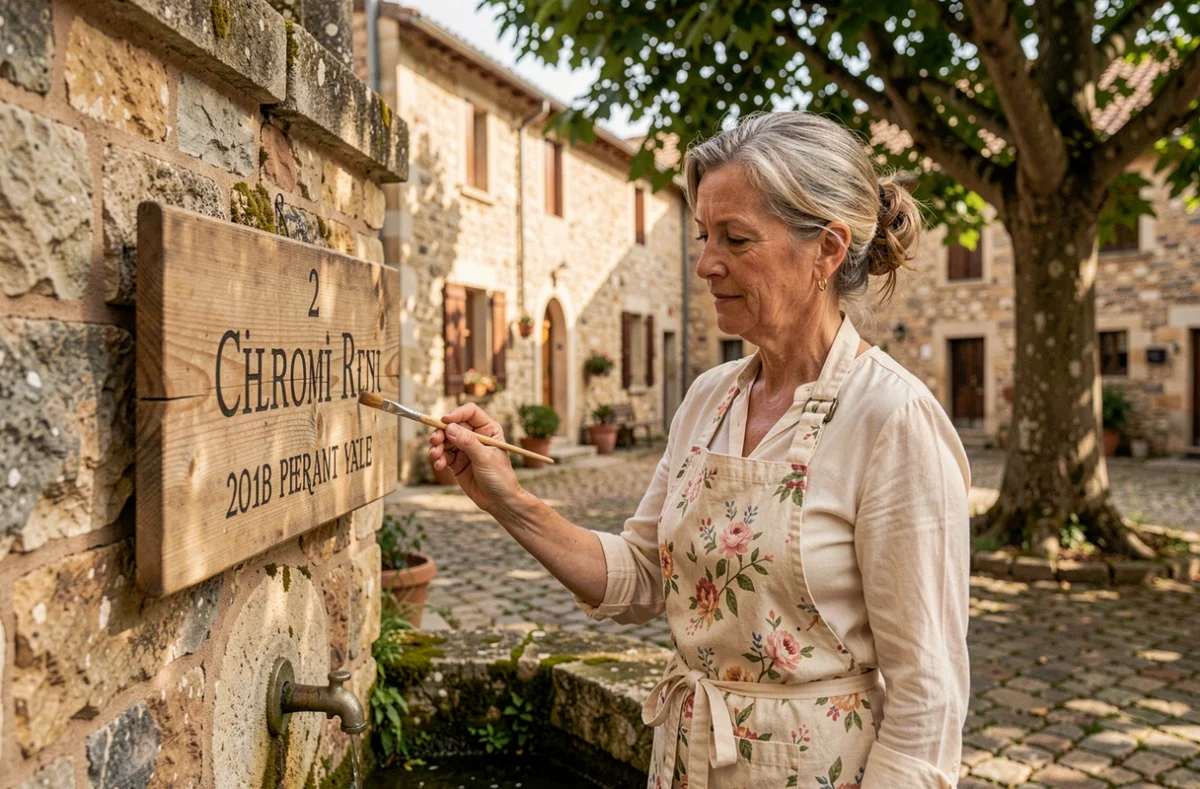
France’s rural heritage largely consists of municipal or privately owned buildings that are not listed as historic monuments. Parish churches, washhouses, market halls, dry-stone walls: their upkeep falls directly to municipalities, often with tight budgets and no staff specializing in restoration. Preserving these built features while keeping local life vibrant requires specific mechanisms, from financial planning to finding new uses for old buildings.
Rural municipal heritage: what the term means in practice
The term municipal heritage refers to all real estate owned or managed by a municipality. In rural areas, this includes parish churches (the municipality owns those built before 1905), old bread ovens, fountains, stone bridges and disused school buildings.
Small local authorities often lack dedicated technical services. A municipality with just a few hundred residents has no building architect or heritage project officer. Local elected officials wear many hats and must weigh up whether to repair a church roof or resurface a municipal road.
Intermunicipal authorities pool these skills to address the shortfall, as seen in the way communities of municipalities are organized in Alsace and other rural areas. For example, coordinated initiatives between neighboring municipalities are documented at https://www.cc-soultzerland.fr/, where pooling resources makes it possible to undertake projects that a municipality acting alone could not fund.
France Ruralités Revitalisation scheme: a new framework for support
Since July 1, 2024, the France Ruralités Revitalisation (FRR) scheme has replaced the former rural revitalization zones (ZRR). This is more than a cosmetic change: it expands the range of eligible municipalities and organizes support around a broader development strategy, rather than focusing solely on tax incentives.
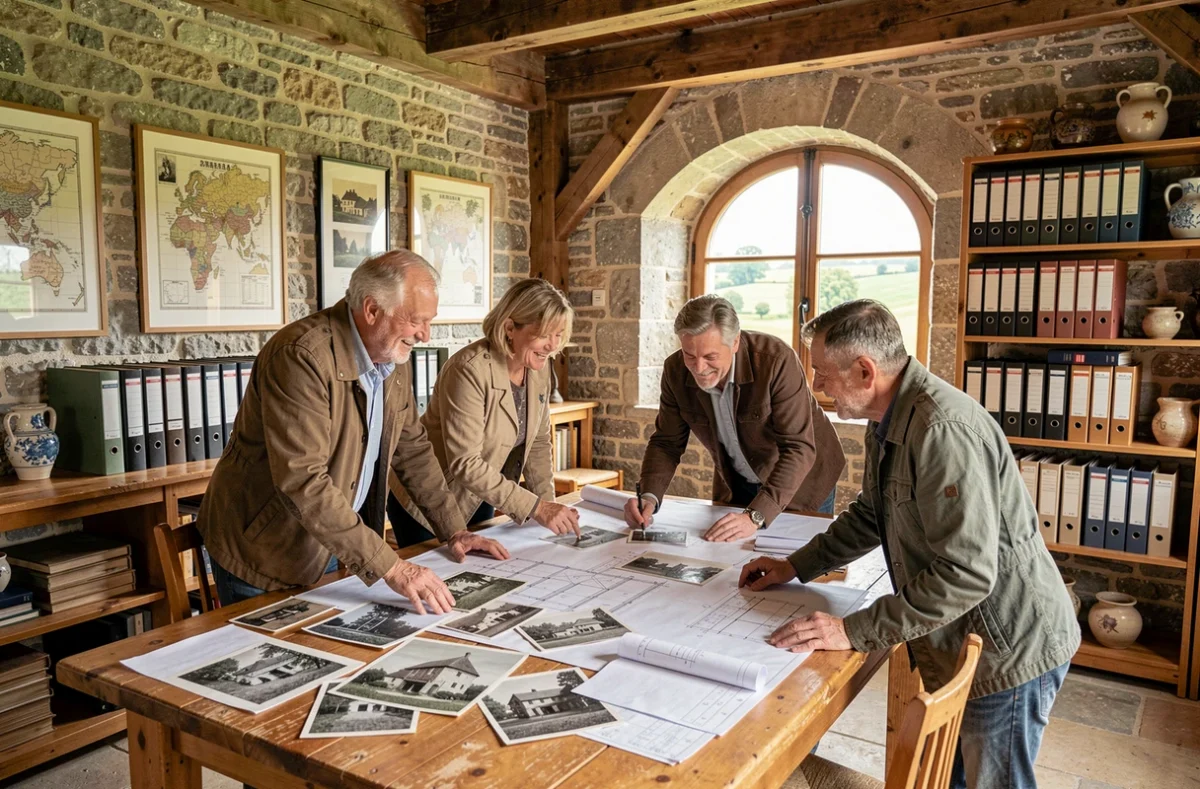
The core principle of FRR is to link heritage preservation with economic appeal. A municipality restoring an old building can incorporate it into a project for a community hub, craft workshop or local produce outlet. Support is not just for the building itself, but also for the purpose it will serve once renovated.
What FRR means in practice for local elected officials
Municipalities classified as FRR zones can offer tax exemptions to businesses that set up there, making it easier to convert vacant buildings into business premises. The scheme also encourages projects led by local authorities working together across municipal boundaries, in line with the resource-sharing approach mentioned above.
The challenge for rural elected officials is to put together proposals that combine building restoration with a new use. A restored washhouse with no plans for activities remains an expense. The same washhouse, incorporated into a heritage trail, becomes a driver of tourism.
Finding a new use: turning a restored building into a place for community life
A restored building with no new purpose will deteriorate again within a few years. Finding a new use is where heritage preservation and local revitalization come together. Several models work well in rural areas.
- Themed heritage trail: in Sault, six restored 19th-century washhouses are linked by a route exploring the history of water and the social role of these places, attracting visitors and school groups.
- Community hub in a municipal building: former schools or annex town halls become coworking spaces, shared workshops or community rooms, with modest rent helping to cover maintenance costs.
- Integrated tourism development: disused industrial buildings or former production sites are restored as exhibition or visitor spaces, combining the preservation of industrial heritage with the development of local tourism.
In every case, restoration is only the first step in a sustainable management project. The annual maintenance costs must be covered by the building’s use, whether through ticket sales, rentals or grants earmarked for operating costs.
Funding and donations: practical tools for small municipalities
Rural municipalities generally combine several funding sources for heritage projects. Public grants from the state, region or department rarely cover the full cost, and the municipality’s share can account for a significant portion of its budget.
A typical funding plan for a municipal restoration project
A church restoration project in a rural municipality will generally involve the Regional Directorate of Cultural Affairs (DRAC) if the building is protected, the department through its grants to local authorities, and sometimes European funding for eligible areas. Crowdfunding is increasingly used to complete the funding package, helping municipalities reduce their share of the costs while directly involving residents in protecting their local surroundings.
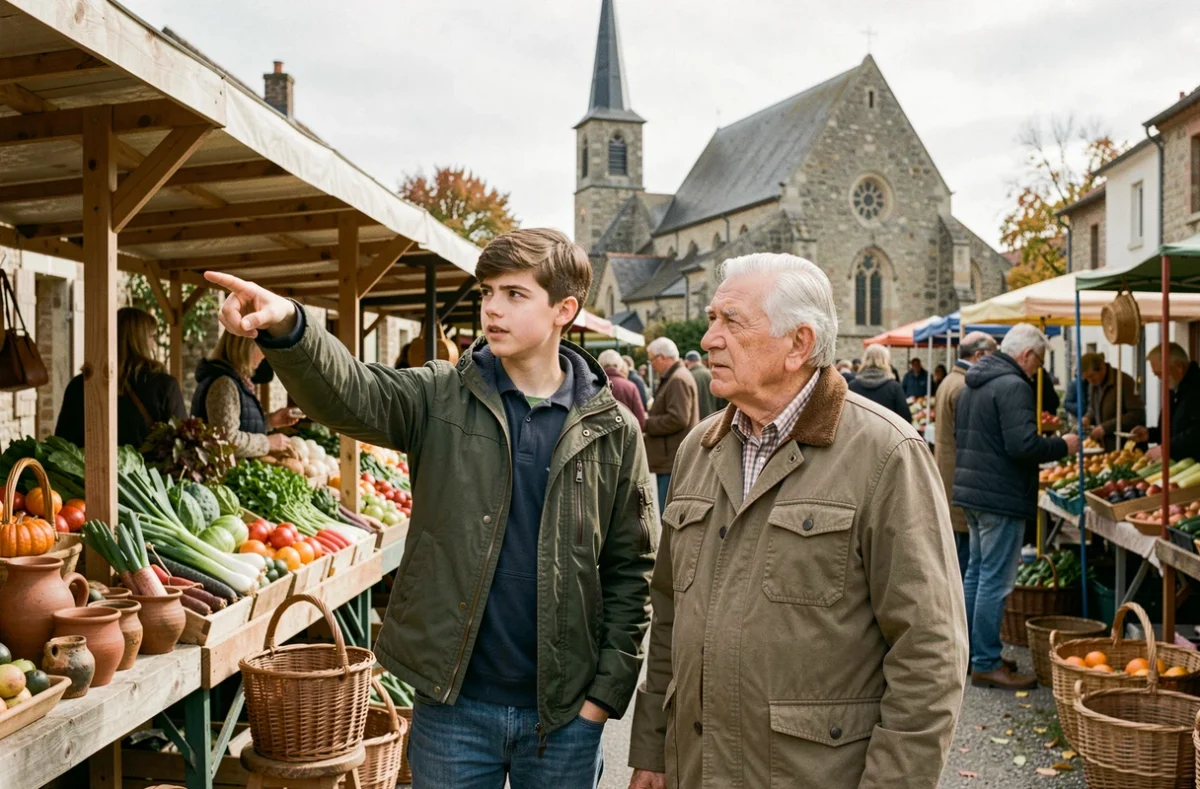
Turning to donations is no mere formality. It creates a direct connection between residents—including former residents with strong ties to the area—and the restoration project. Donors become ambassadors for the site, helping to attract visitors and support activities later on.
The role of communities of municipalities in managing projects
Intermunicipal authorities act as delegated project owners for municipalities that lack the necessary administrative expertise. They provide project management support, prepare grant applications and coordinate contractors. Without this assistance, many restoration projects would never get beyond the planning stage.
- Sharing a local development officer across several municipalities
- Centralizing public procurement to reduce restoration costs
- Coordinating event schedules to avoid competition between neighboring municipalities
Preserving rural heritage and revitalizing local communities are two sides of the same municipal management effort. Restored buildings only find their purpose when they host an activity, whether cultural, economic or community-based. The FRR scheme provides a framework, intermunicipal cooperation brings project expertise, and residents contribute both funding and use. Rural heritage survives when it continues to serve a purpose.