We reserve a table to celebrate something, to break the routine of a Tuesday night, or simply because we want to enjoy good food without cooking. The choice of restaurant determines the entire evening, and yet we often leave it to the last minute, scrolling through contradictory reviews.
Between the overly rigid places that impose a dress code and those that prioritize spectacle over the plate, finding a venue that is both friendly and refined requires knowing what we really want.
What a service provided by the dining brigade changes
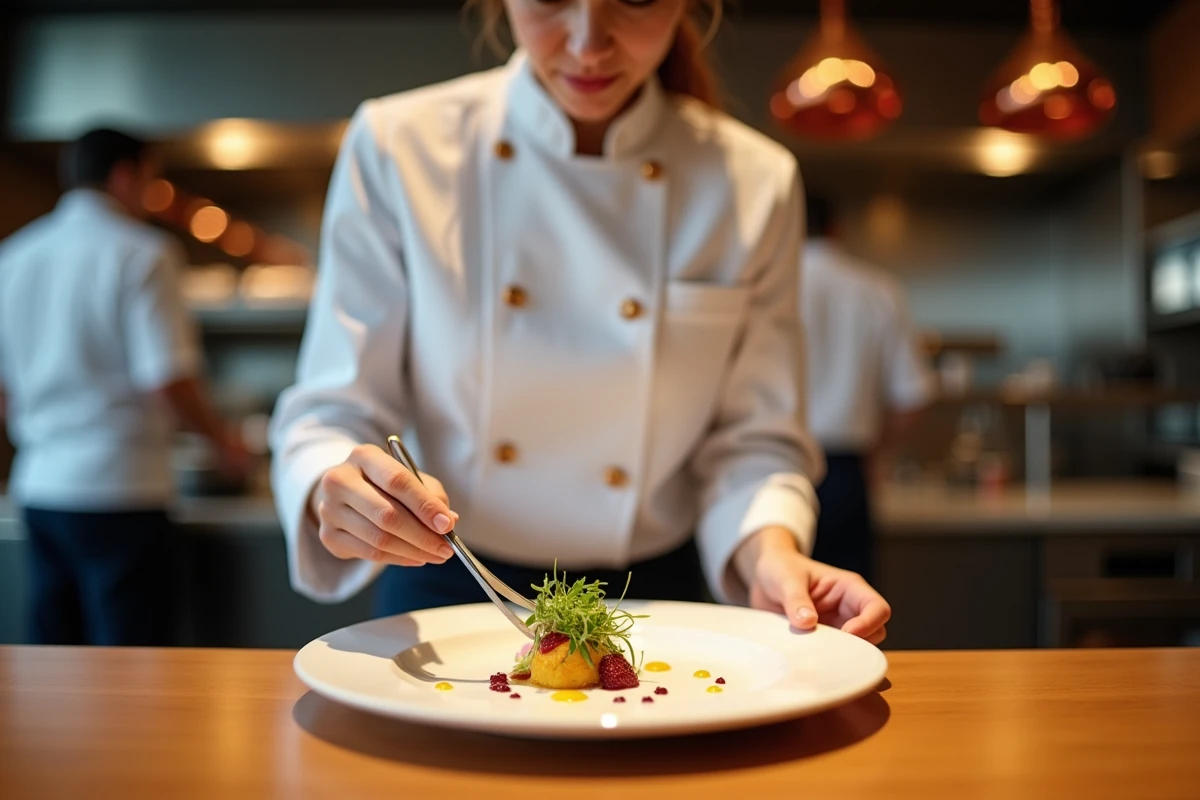
When a member of the brigade comes to present the dish at the table, the meal transforms. We move from a sequence of plates placed in silence to a concrete exchange about the product, the cooking, the proposed pairing.
This practice, long reserved for Michelin-starred restaurants, has been spreading in bistronomies and experiential restaurants for a few years now. The Dining Out Trends report published by the MICHELIN Guide and Lavazza in 2023 highlights this trend as a post-Covid movement, driven by the need for human connection around the table.
In practice, we remember better what we eat when someone explains to us why the farmer chose this variety of carrot or how the chef prepared a sauce. The dish gains a depth that simply reading a menu does not provide. It is also a reliable marker of a restaurant’s quality: a brigade that can talk about its dishes knows its products.
At L’Entracte Gourmand, this friendly approach to service structures the meal without making it rigid. We eat in a refined setting, but we ask questions, we engage, we revisit a wine pairing if we hesitate.
Restaurant and food transparency: reading beyond the menu
A restaurant that displays the origin of its products on the menu is not just doing marketing. Transparency about short supply chains indicates real work in the kitchen. A chef who names their farmer or supplier commits to a traceability that establishments relying on purchasing centers cannot guarantee.
Since 2024, the experimentation of environmental labeling in restaurants, supported by ADEME and the Ministry of Ecological Transition, encourages establishments to make the carbon footprint of their menus visible. We are still in the experimental stage, and feedback varies from one establishment to another regarding the calculation method. The intention remains clear: to provide the customer with concrete information before ordering.
Concrete indicators to spot on a menu
- The name of the producer or farm associated with a main ingredient (meat, cheese, seasonal vegetable), a sign that the chef chooses their suppliers individually
- The explicit mention of seasonality, with a menu that changes regularly rather than a fixed menu all year round
- The absence of glaring out-of-season dishes (strawberries in December, asparagus in October), which would betray industrial sourcing
- A short menu, often a sign that the kitchen works with fresh products in limited quantities rather than frozen stock
These details may seem trivial. However, they separate a restaurant that cooks from one that assembles.
Experiential dining in France: when the venue matters as much as the dish
Paris, Lyon, Bordeaux, Toulouse: several French metropolises have seen a rise in hybrid restaurants since 2023 that combine refined dining with cultural activities in the same space. Art gallery in the dining room, musical performances between services, wine workshops before dinner. The restaurant becomes a complete outing, not just a place to eat.
This format is appealing because it solves a practical problem: organizing an evening without hopping between three different places. We dine, discover an exhibition or a musician, and extend the evening over a drink. The setting is part of the menu.
What distinguishes a true experiential restaurant from a mere trend
The difference lies in the cuisine. A spectacular decor never compensates for a mediocre plate. The places that endure are those where the chef masters their dishes independently of the concept. The sensory journey begins on the plate, not in the staging.
We can also gauge the solidity of a concept by its consistency. An experiential restaurant that changes its theme every month without coherence eventually dilutes its identity. In contrast, an establishment with a clear culinary line and a setting that naturally extends it creates a truly memorable meal.
Choosing a friendly and refined restaurant: the criteria that really matter
Friendliness cannot be decreed on a website. It is verified on-site, in the way the staff welcomes a last-minute reservation, manages a food allergy, or offers a dish off the menu when the menu does not suit.
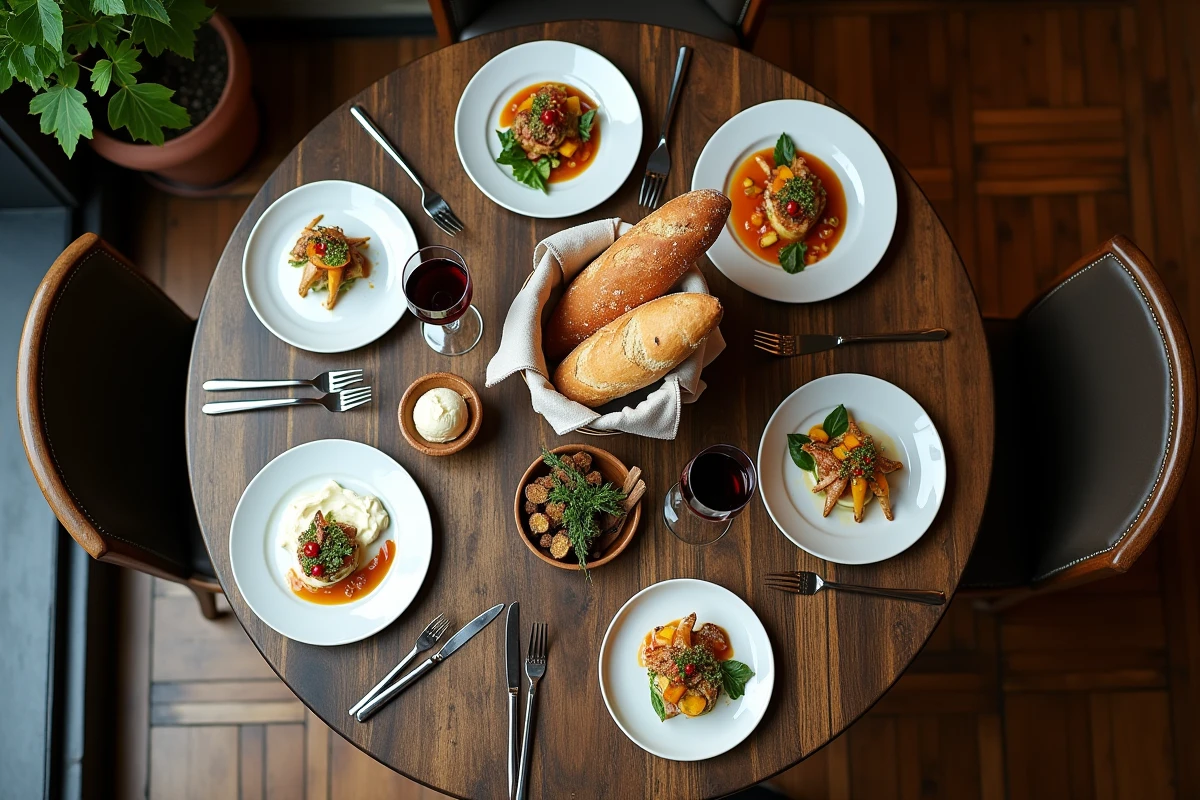
Refinement, on the other hand, is not measured by the number of silver cutlery. A well-seasoned dish, carefully plated and served at the right temperature is worth more than a sophisticated presentation around a bland ingredient.
- Check recent reviews (less than three months old) rather than the overall rating, which smooths out quality declines
- Favor restaurants whose menu changes with the seasons, a sign of a vibrant cuisine
- Observe the size of the menu: beyond twenty dishes, the freshness of each ingredient becomes difficult to guarantee
A restaurant that combines a warm atmosphere with culinary rigor is not common. When you find one, the best thing to do is to return quickly to ensure that the second visit lives up to the promise of the first.