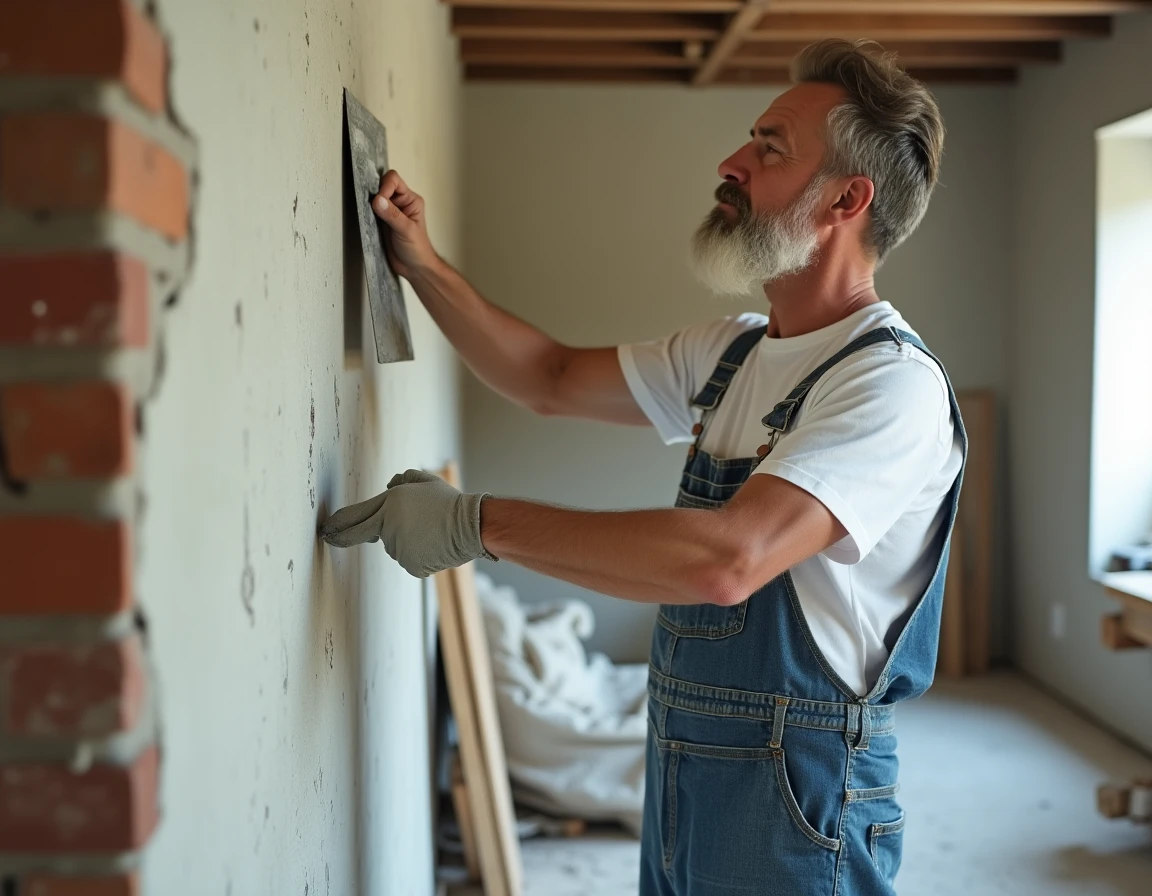
A real estate renovation project is won or lost before the first swing of the hammer. The technical design phase, often rushed in favor of aesthetic choices, determines the final cost, the duration of the construction, and the energy performance of the renovated housing. Here, we share the methodological points that make the difference between a controlled site and a runaway budget.
Sequencing of technical lots in real estate renovation
The order of intervention of the trades determines the quality of the result. Working on plumbing after installing drywall or wiring electricity before stabilizing the layout of partitions leads to costly rework. We recommend locking in the sequencing from the design phase, distinguishing three blocks.
- The shell and roof first: roofing, exterior joinery, waterproofing. As long as the envelope is not sound, all interior work remains vulnerable to infiltration and humidity.
- The technical second work next: electrical networks, plumbing, ventilation, interior insulation. These lots must be coordinated with each other, as a poorly positioned VMC duct compromises the insulation of the attic.
- The finishes last: flooring, painting, kitchen and bathroom fittings. Engaging these items too early exposes them to damage during the passage of other trades.
A project manager or site supervisor ensures this coordination. On a heavy renovation site, the absence of management extends the duration by several weeks and multiplies the back-and-forth between craftsmen.
To delve deeper into the logic of coordination between lots, the work on Tout Immo details the key steps of a structured project.
Regulatory energy audit: impact on the choice of work

Since April 1, 2023, the sale of a property classified F or G in the energy performance diagnosis (DPE) requires a regulatory energy audit. This obligation, stemming from the decree of May 4, 2022, goes beyond a simple diagnosis: the audit proposes quantified renovation scenarios, estimating performance gains by item.
For the owner renovating before resale, this audit modifies the strategy. It is no longer about choosing a single action (replacing the boiler, for example) but about designing a coherent package of work combining insulation, ventilation, and heating system. Financial aids like MaPrimeRénov’ have also been recalibrated in this direction: high-performing global renovations receive higher amounts, while isolated, less effective interventions receive less support.
In practice, we observe that owners who order the audit even before consulting craftsmen receive better-targeted quotes. The audit provides a technical framework that the craftsman translates into concrete solutions, avoiding commercial proposals disconnected from the actual performance of the building.
Ventilation and insulation: an inseparable couple
Isolating a property without rethinking the ventilation creates a “thermos” effect conducive to mold and degradation of indoor air quality. Any thermal insulation requires sizing of the VMC, whether single flow or double flow depending on the configuration. Neglecting this point amounts to treating a symptom while creating another problem.
Recurring budget errors on a renovation site
Budget underestimation remains the most common trap. It does not stem from a lack of caution but from a lack of knowledge about invisible items.
Asbestos removal or lead treatment, for example, can only be detected after surveys. In a building built before the 1990s, the likelihood of encountering one of these pollutants is high. The treatment cost, not initially planned, can represent a significant portion of the overall budget.
Planning a safety margin on the total budget is not a precautionary tip: it is a project management data point. Structural surprises (degraded beams, outdated drainage systems, non-load-bearing floors) systematically appear during the project. A budget without a margin is a budget already exceeded.
Materials: balancing immediate cost and durability
The choice of renovation materials pits two logics against each other. The first prioritizes purchase price; the second incorporates maintenance costs over ten or fifteen years. A low-quality floor covering replaced after five years costs more than a more expensive material installed once.
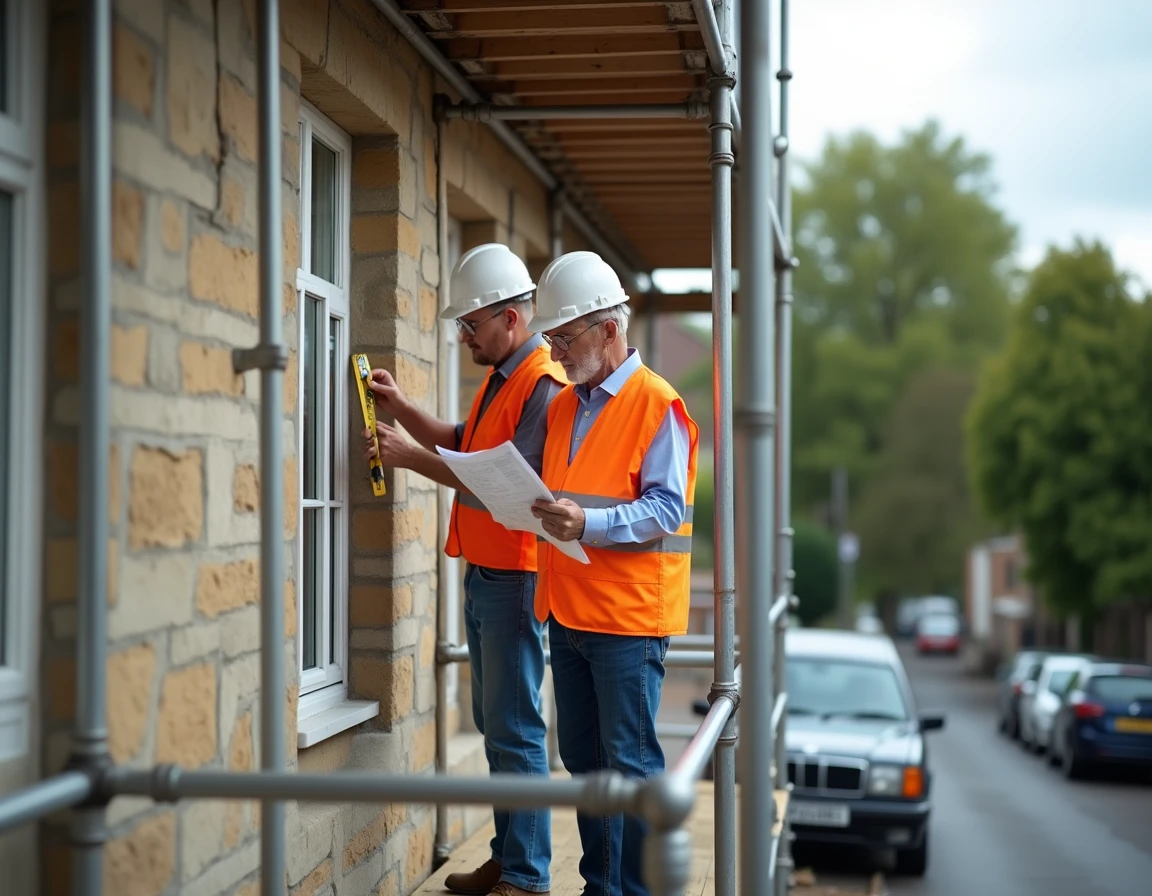
This reasoning particularly applies to thermal insulation. A less efficient insulator requires increasing thicknesses to achieve the desired thermal resistance, which reduces usable space. The thermal performance-to-thickness ratio must be included in the selection criteria, alongside the price per square meter.
Regulations and permits: checks before starting work
Opening a site without checking the regulatory framework exposes one to work stoppages and penalties. In co-ownership, any modification of the facade, load-bearing structure, or common network requires a vote in the general assembly. Starting work without this agreement exposes the owner to restoration costs at their expense.
For individual houses, the prior declaration of work or building permit depends on the nature of the intervention. A change of use (transforming a garage into a living space), a modification of the floor area, or an alteration of the exterior appearance triggers distinct administrative obligations.
In protected areas (perimeter of a historical monument, safeguarded sector), the constraints are heightened. Facade materials, the color of joinery, and sometimes the type of roofing are regulated by the Architect of the Buildings of France. Checking the PLU and easements before signing a quote avoids project modifications during the construction phase.
The success of a renovation relies on the rigor of the upstream phase: technical sequencing, adapted energy audit, realistic budget, and regulatory compliance. The choices made before the start of the project weigh more heavily than adjustments made along the way.